Spotlight Award 2026 | Chinky Shukla (ENG)

wra_logo-removebg-preview
Spotlight Award 2026 WinnerChinky Shukla
When Buddha Stopped Smiling

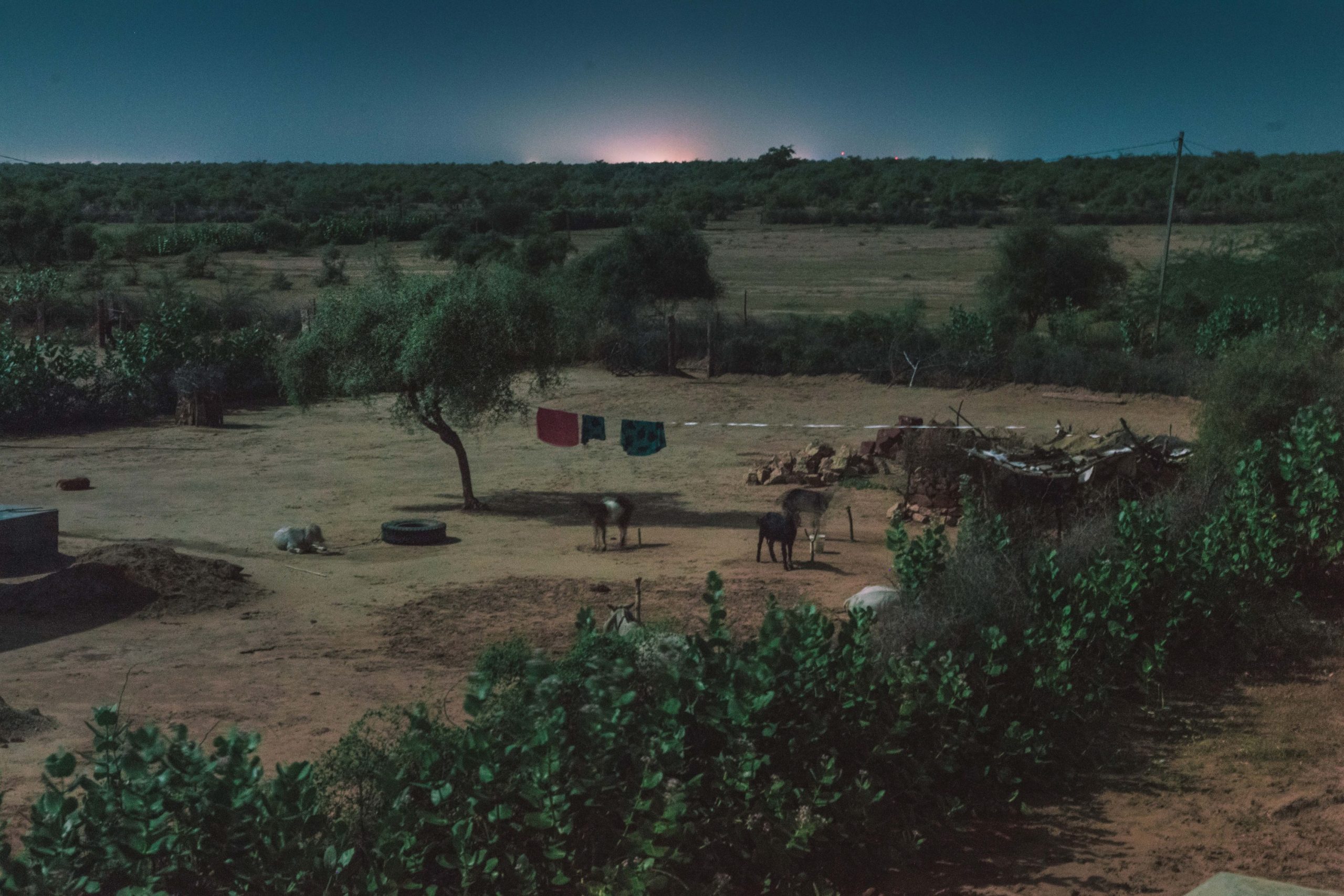
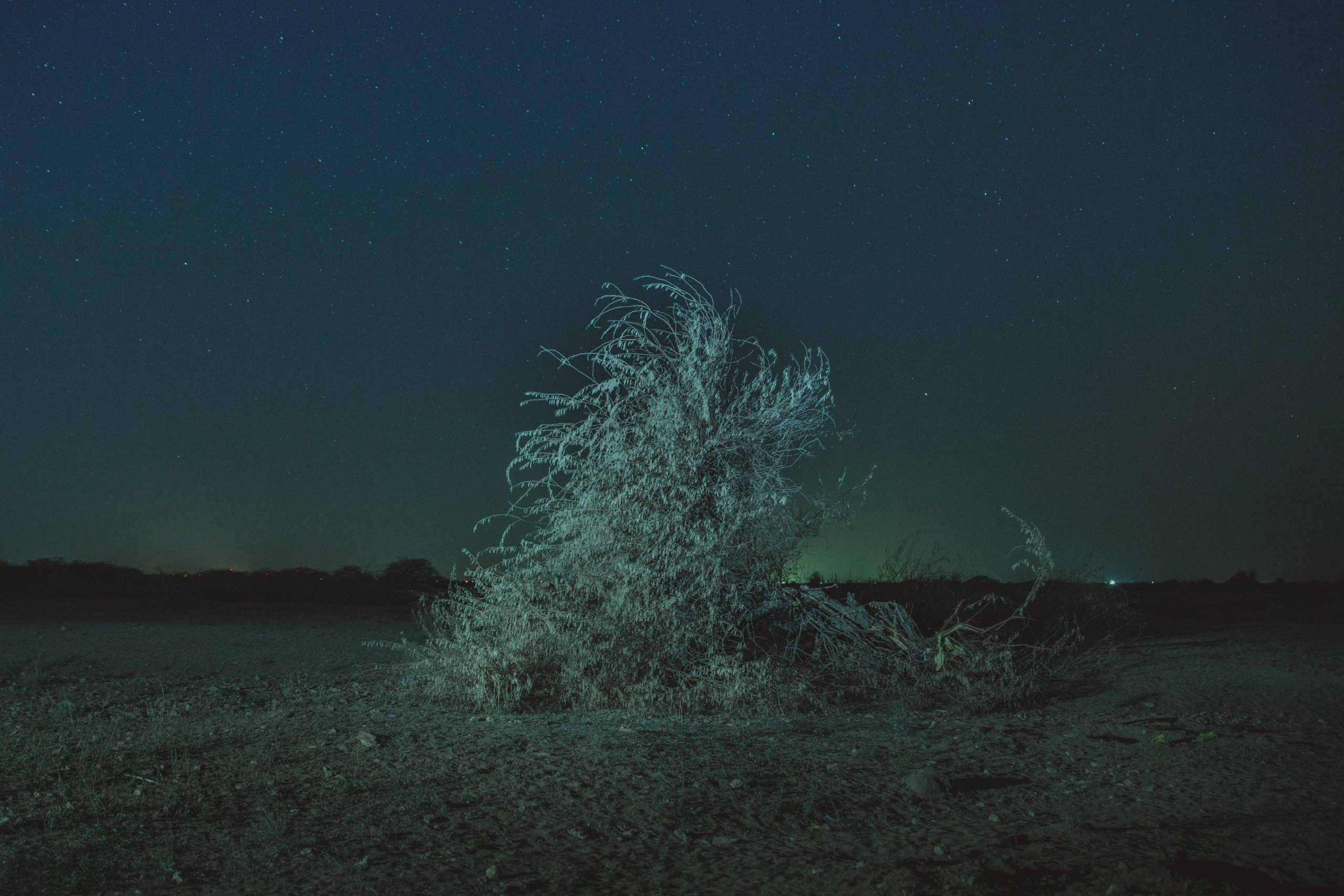
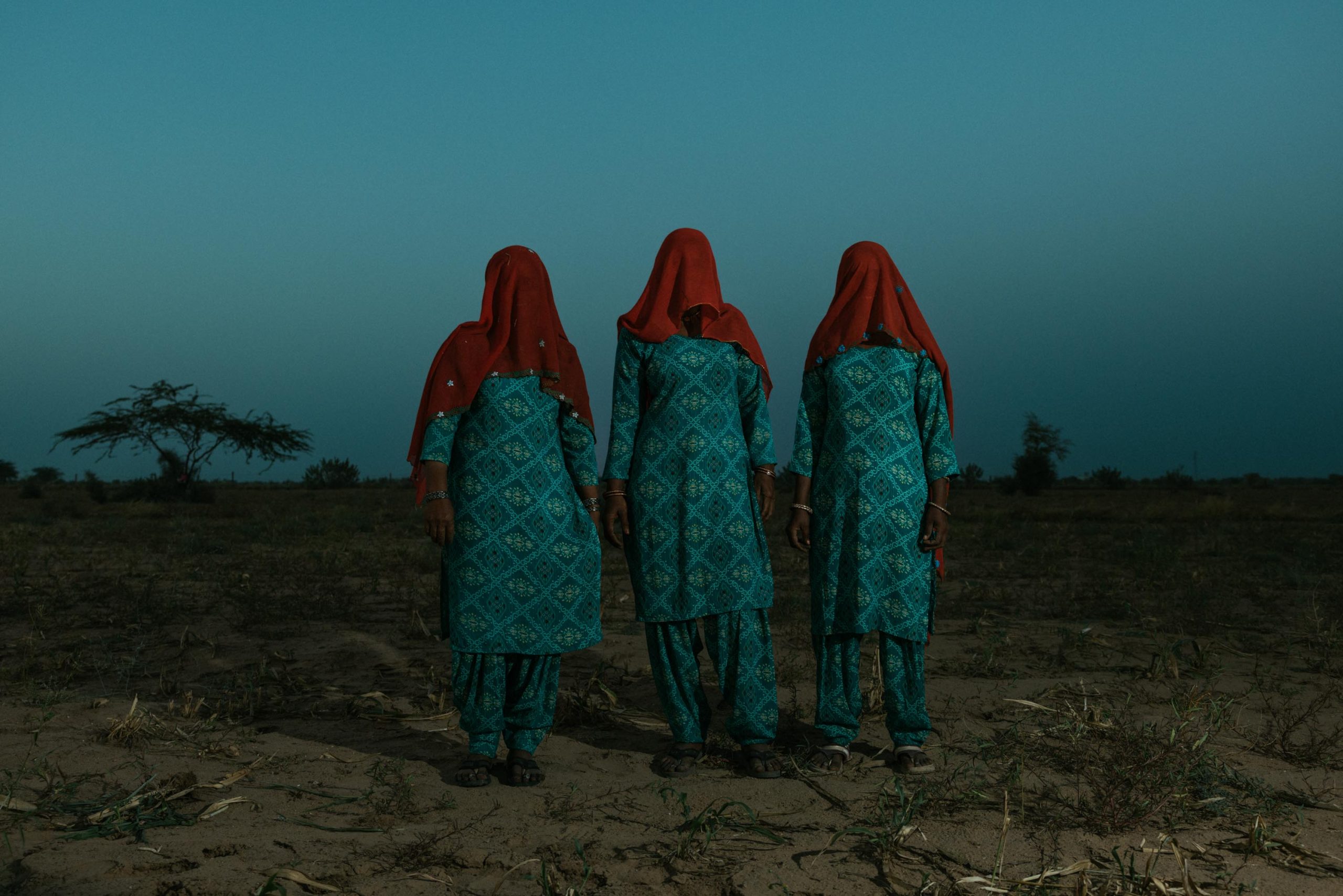
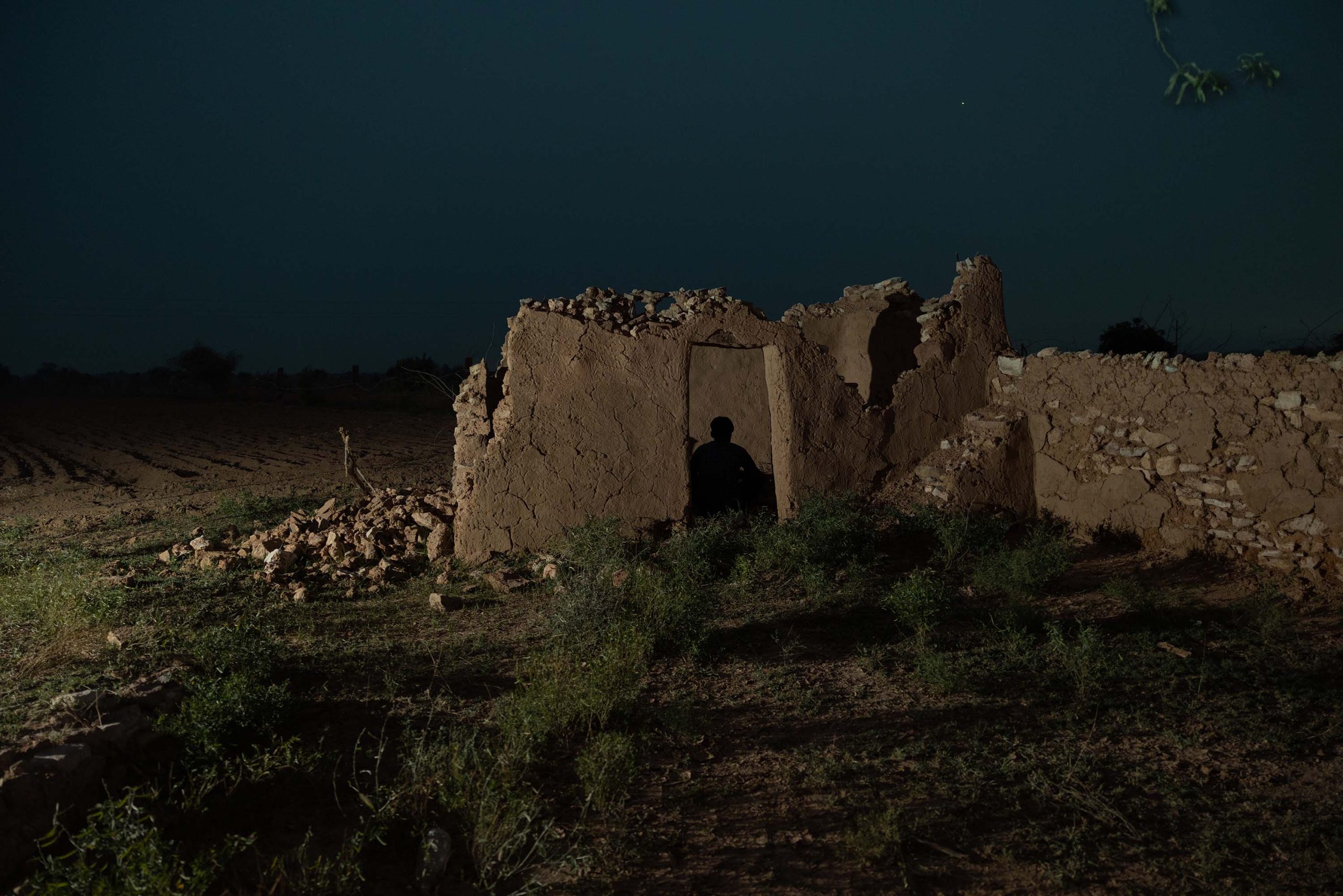
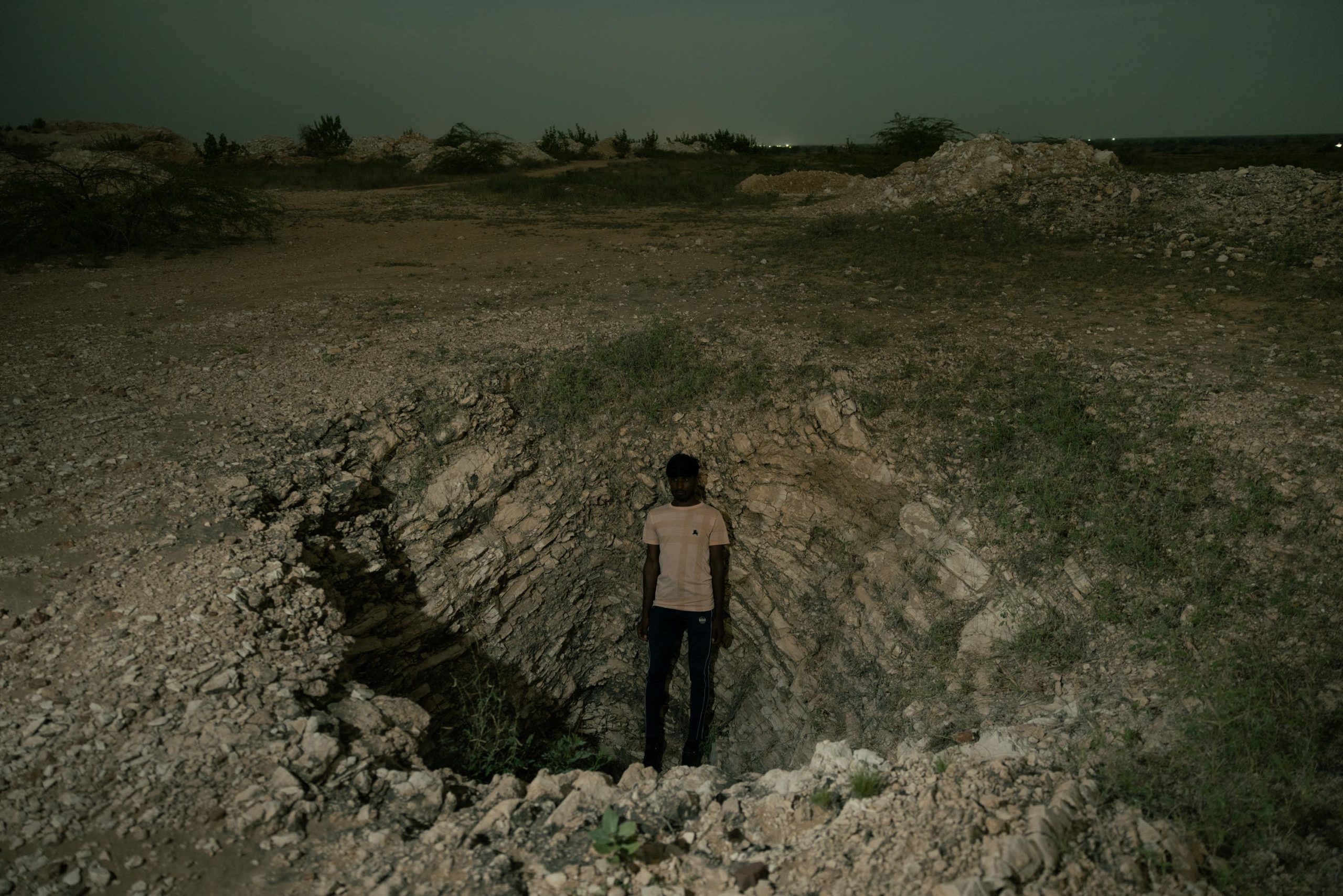
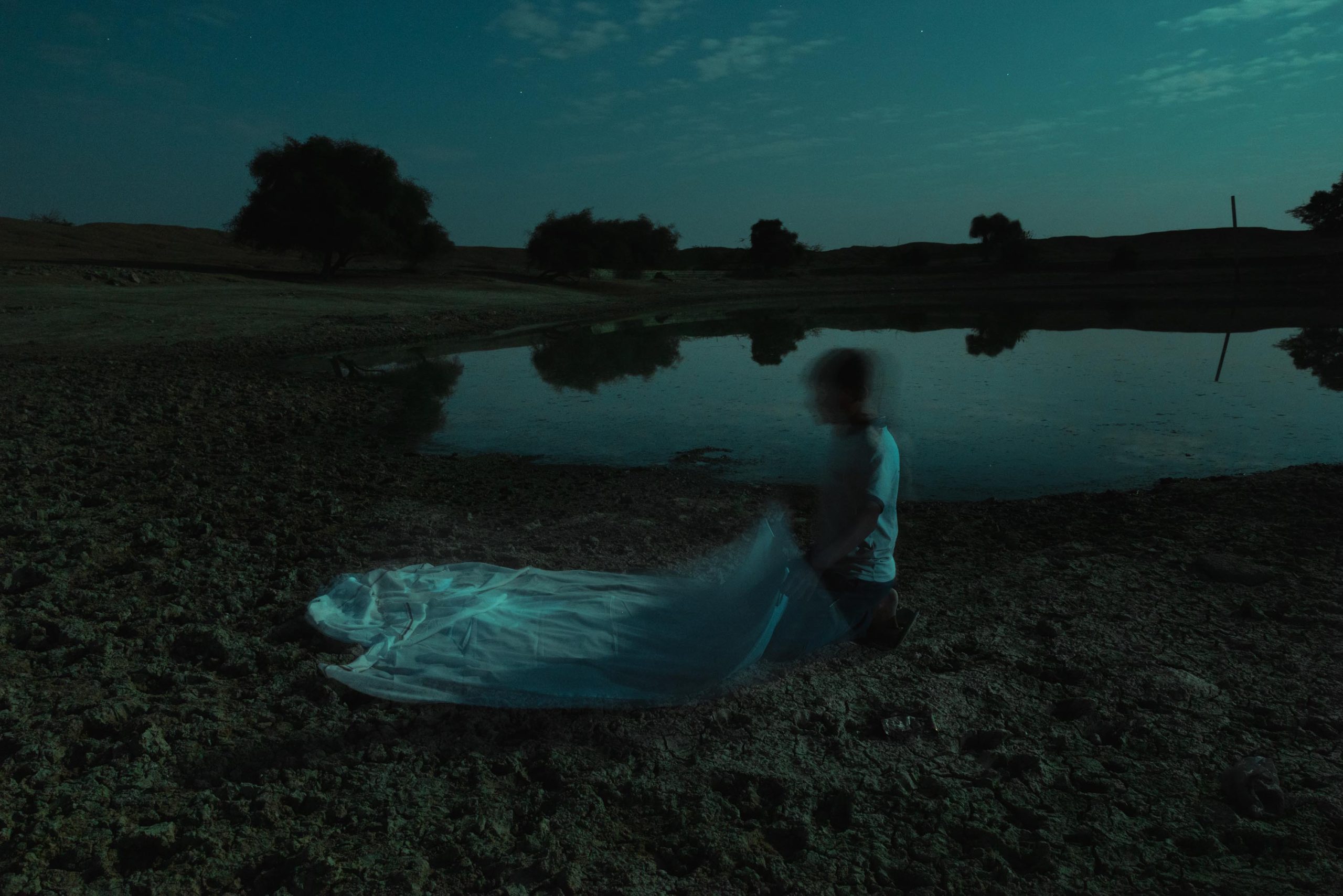
This is a long-term project examining the human and ecological aftermath of nuclear tests conducted in Pokhran, Rajasthan, in 1974 and 1998. Through staged portraits and landscapes, the work reflects on memory, survival, and the quiet resilience of desert communities living in the shadow of India’s nuclear history.

Copyright: © Chinky Shukla
THE JURY'S MOTIVATION

The story told by Chinky Shukla are those kinds of stories we hear for one day or one week and make the headlines. Then the media spotlight fades, the attention drifts away, and the world forgets. This photographer has spent years refusing to let one such story be forgotten.

Her work on the human cost of India’s nuclear tests in Pokhran, Rajasthan, serves as a powerful act of visual remembrance. While official accounts highlight technological achievement, Shukla directs her gaze elsewhere—away from the test site and toward the people, the bodies, and the landscapes that quietly suffered the impactful consequences of nuclear tests.

This work is about patience, proximity, and an unwavering commitment to those whose voices have been buried. What distinguishes this work photographically is Shukla’s ability to make the invisible visible. Radiation leaves no obvious trace on a landscape. And yet, frame after frame, she builds an undeniable visual testimony — in the cracked walls of mud huts, in the faces marked by illness, in the contaminated ponds and scorched farmland that bear silent witness to what happened. This work is a clear example of what Susan Sontag once described as photography’s unique power to make abstract suffering concrete and undeniable.

The timeline she documents is staggering in its human weight. From the first test in 1974 — code-named, with cruel irony, Smiling Buddha — to the five detonations of 1998, to the cancers, miscarriages, and birth defects still being reported decades later, Shukla traces a line of consequence that official history has consistently chosen to erase. Nearly fifty years on, the villages near Pokhran have joined a tragic global circle — from the Marshall Islands to Kazakhstan to Nevada — of communities living in the long shadow of nuclear ambition.

Industrial poisoning of a community is exposed through intimate, unflinching portraiture — Shukla places the individual at the center of a story: victims describing their tremors; a mother recounting her daughter’s death from blood cancer within a year of the tests. These are not statistics. They are human beings, and Shukla ensures we see them as such.

The jury is honored to recognize this work. And we are grateful to Chinky Shukla for the courage, the perseverance, and the moral clarity it takes to keep returning to a story the world has long since moved on from — because the people living it never could.


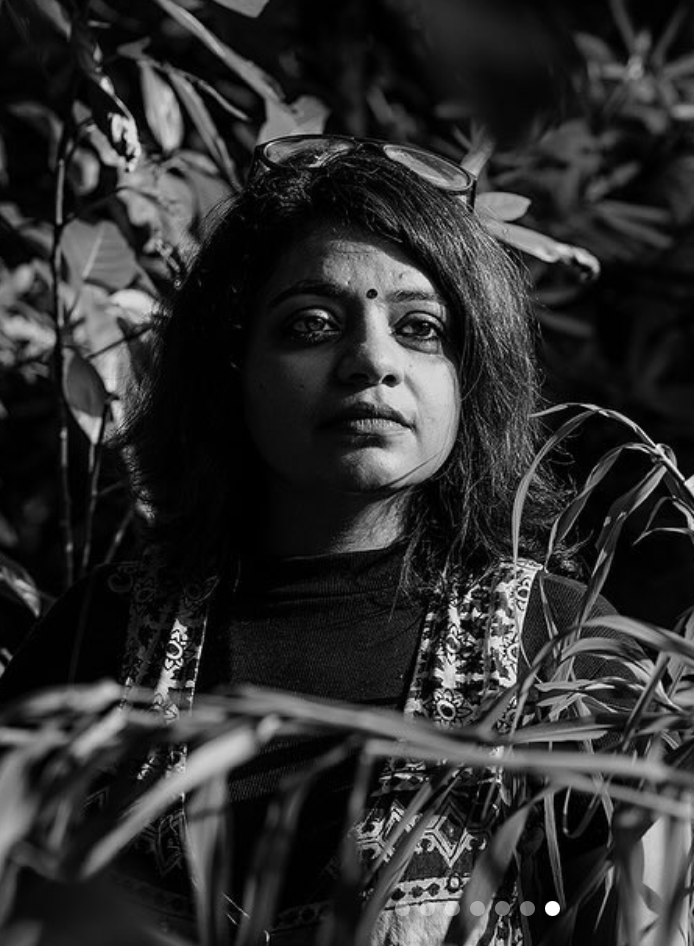
Chinky Shukla
 is a documentary photographer based in New Delhi, India. Her work explores the themes of cultural assimilation, human condition, memory and the environment. The majority of her projects are long form photo stories looking through the layers, documenting lives, building relationships, gaining trust, using her camera to amplify important stories.

Since 2011, she has been documenting the far-reaching consequences of nuclear radiation in India. Her photo project on the impact the uranium mining in Jadugoda, a township in the state of Jharkhand in India, led the State High Court to issue a suo motu cognisance on the mining company following national newspaper Hindustan times article featuring her photo project in 2014.

Her ongoing photo project, supported by the National Geographic Society, documents the region of Pokhran in Rajasthan, India, which has been a significant site for nuclear testing since 1974. Through this project, she aims to bring attention to the lived experiences of individuals and communities impacted by nuclear tests, shedding light on their struggles, resilience, and the broader social dynamics at play.

She employs a participatory approach in her photo projects, collaborating with local organizations, experts, and individuals to co-create narratives that reflect their lived experiences. She strives for authenticity, integrity, and ethical representation in her work.

Website