Mostra Nikita Teryoshin 2026 | ENG

IN-DEPTH ANALYSIS AREANikita Teryoshin
Life Sentence

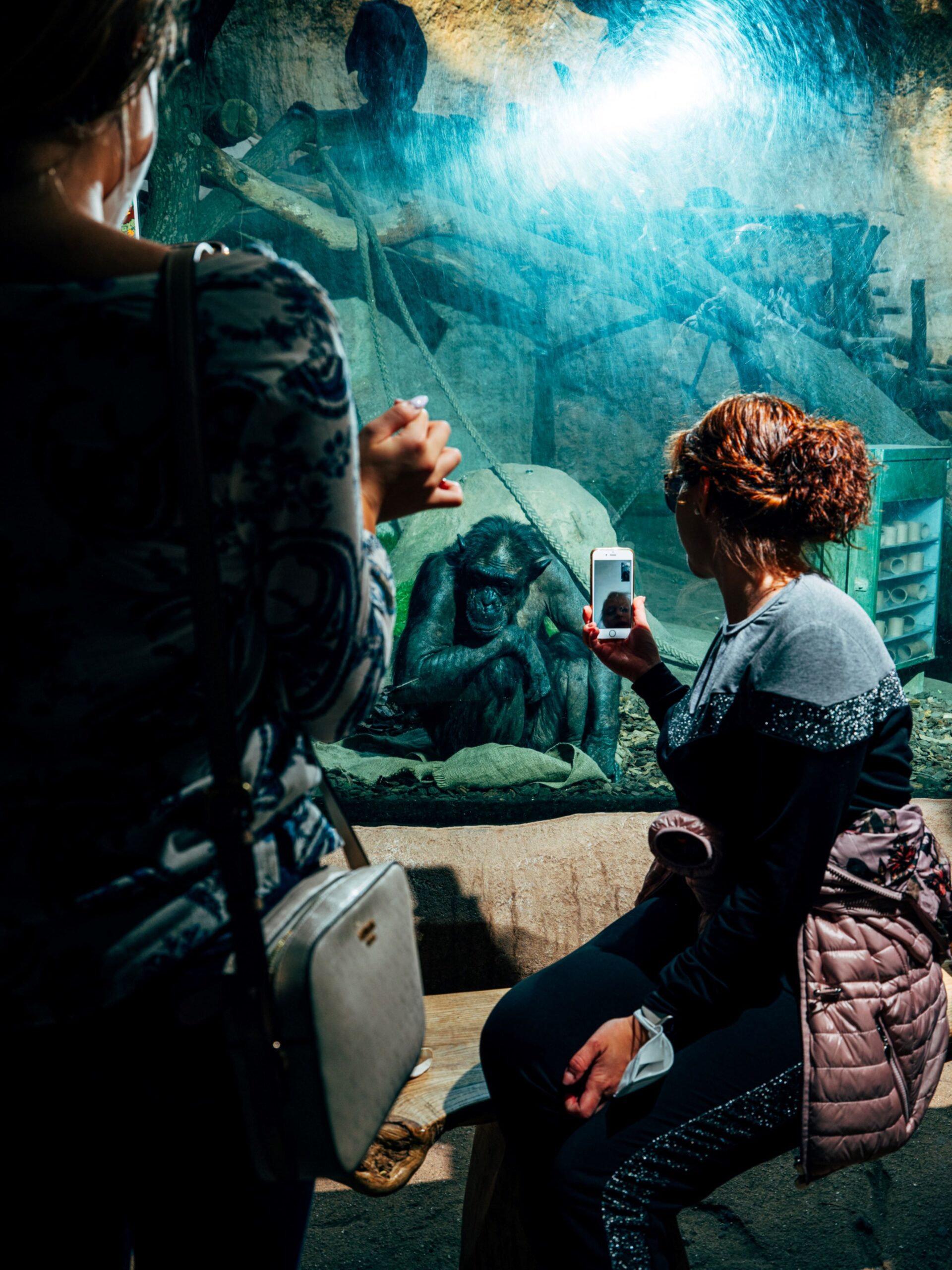
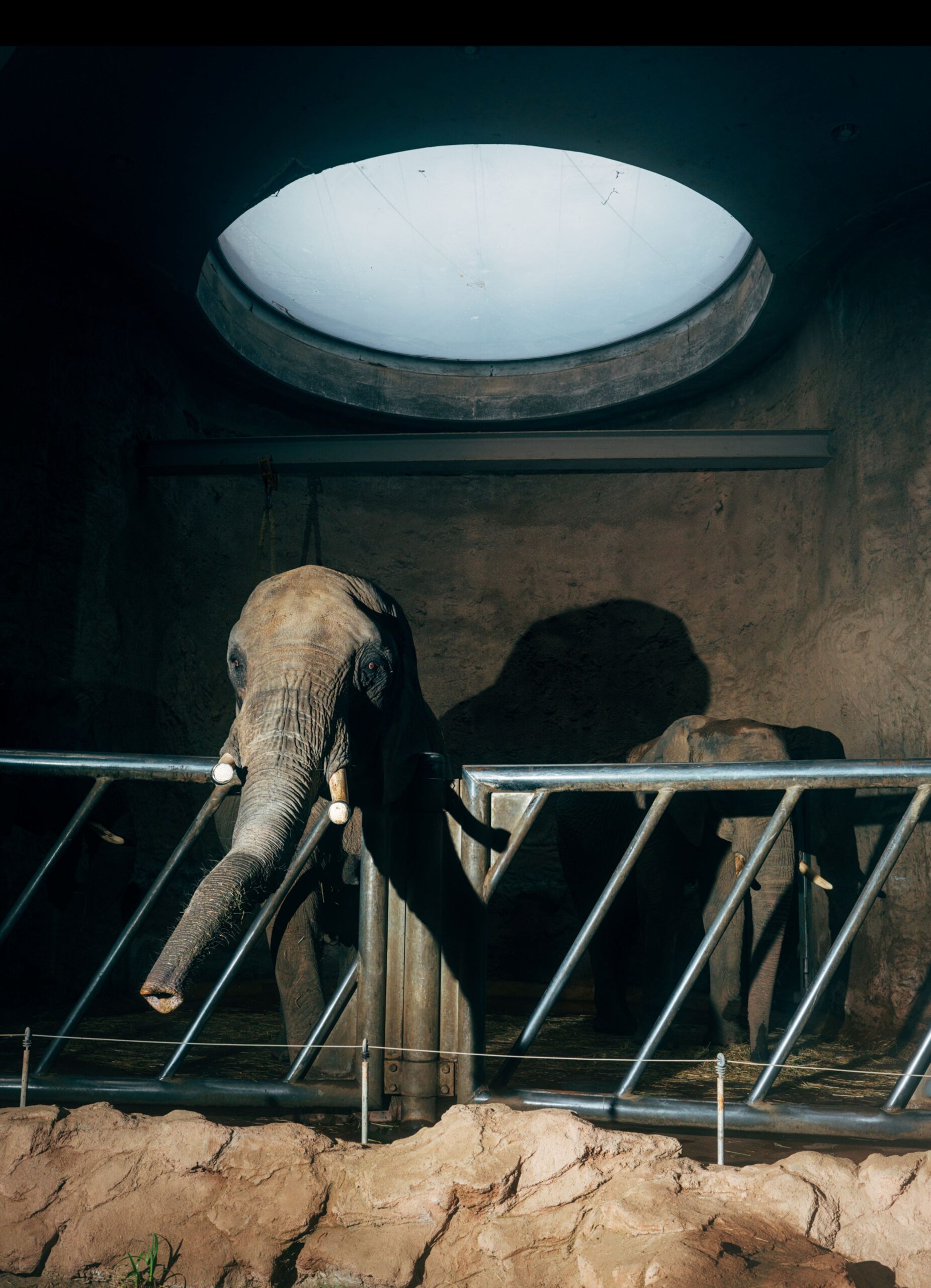
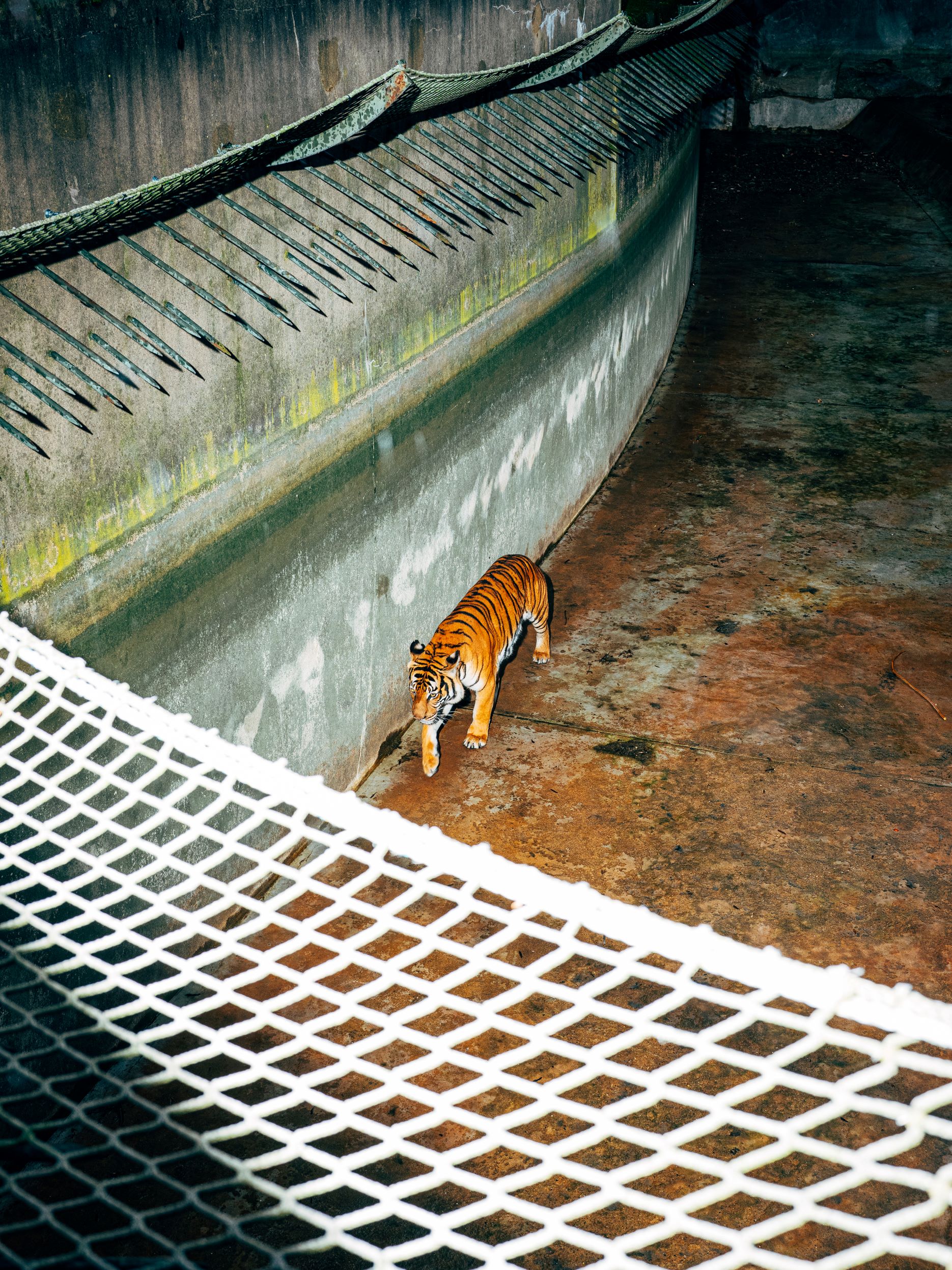
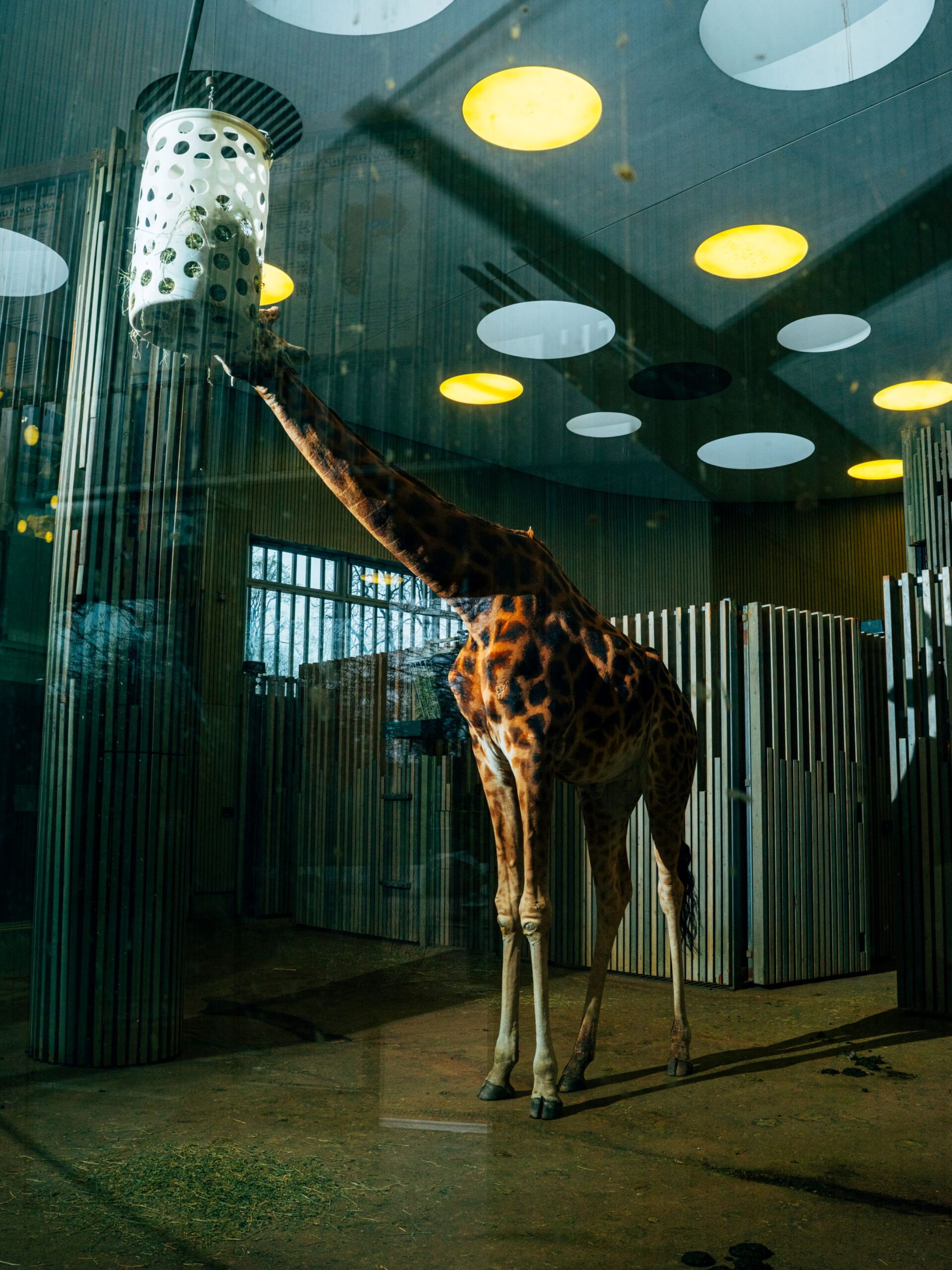
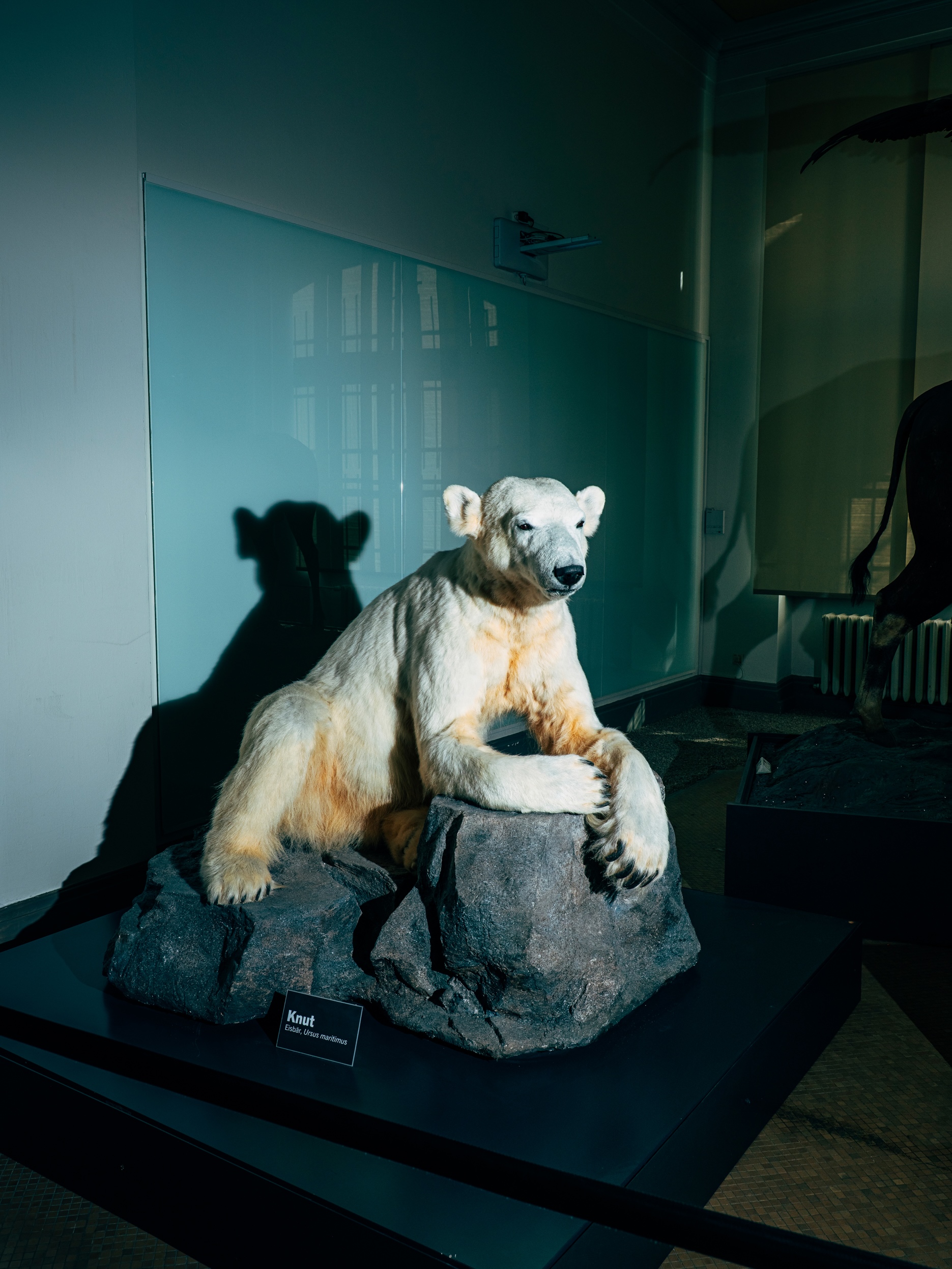
The relationship between humans and animals has for centuries been shaped by protection and exploitation. In Life Sentence, Berlin-based photographer Nikita Teryoshin turns his gaze toward zoos in Germany, Switzerland and Portugal — places whose origins are closely intertwined with Europe’s colonial past.

Once, animals were forcibly taken from distant regions; zoos functioned as windows into foreign worlds, but also as symbols of ownership and dominance. Today, they are often justified in the name of conservation. Yet what does protection truly mean when animals’ freedom is profoundly restricted and an artificial sense of proximity to humans is staged in its place.

In Teryoshin’s images, the zoo appears as an artificial construct in which nature is merely simulated. The animals often seem isolated, estranged from any natural environment, confined within geometric, metallic, and concrete structures. Their bodies are dominated by these artificial spaces; their gazes appear fixed on something beyond them — something inaccessible. In that sense, the architecture itself becomes a metaphor for captivity and display.

Copyright photo: © Nikita Teryoshin
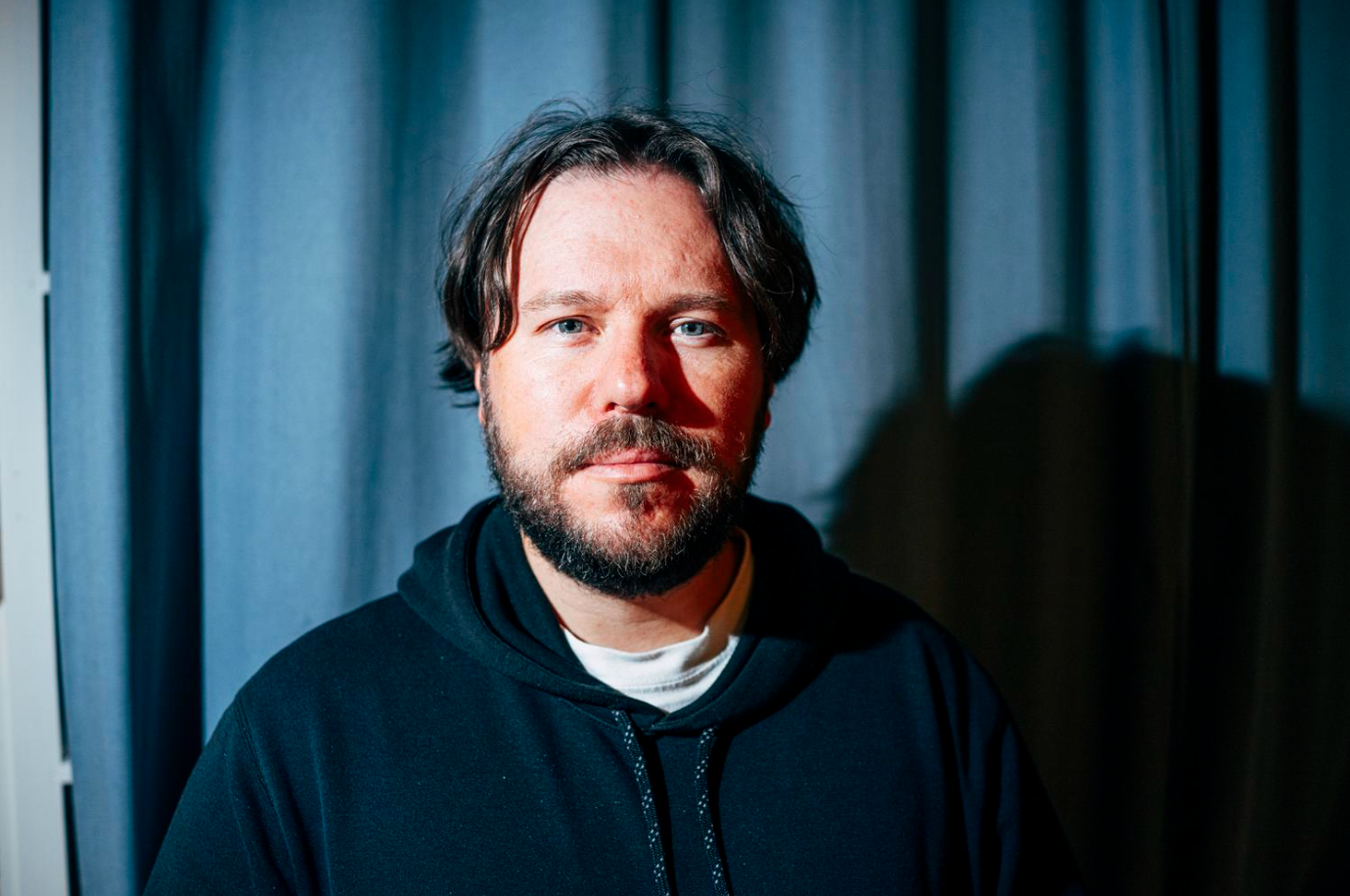
Based in Berlin, Nikita Teryoshin was born in Leningrad, URSS. When he was 13-years old his family moved to Dortmund, Germany where he went on to earn a Bachelor of Arts in Photography. His father Vladimir Teryoshin was a painter and set designer at the theater and television. Visiting his dad’s working place, full of requisites and mysterious stuff, made a deep impression on the photographer. Since then he remained interested in backstages set up by the media, industry or politics. Also the photographic research on the relationship between humans and animals is a big part of his work.
In 2008 during his studies after first discovering the work and irony of Elliott Erwitt and later Martin Parr and Lars Tunbjörk, he became obsessed with documentary photography. He graduated with ‘Hornless Heritage’ (2014 – 2017), which focuses on the matrix-like world of the modern dairy cows, which was hosted at the Festival of Ethical Photography in 2016. “Animal Escape Plan” (2021) shows animals, who managed to escape the slaughter house and survive, to show them not as victims, but as heroes. His recent project “Life Sentence” deals with the artificial worlds of the Zoos. His longest project ‘Nothing Personal’ (2016 – ongoing) deals with the global arms trade.He describes his genres as street, documentary and everyday horror and is a member of Burn My Eye photography collective.
Nikita’s work has received several recognitions such as the World Press Photo and has been exhibited and published widely in magazines and newspapers such as ZEIT, Stern, Spiegel, New Yorker, NYT, GQ, 11Freunde, Bloomberg, SZ, and Le Monde.
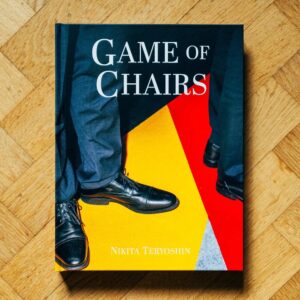
In 2024 he published his first monograph ‘Nothing Personal – the back office of war’ with GOST books, while in 2026 he published ‘Games of Chairs’ with Pupupublishing.
He describes his genres as street, documentary and everyday horror and is a member of Burn My Eye photography collective.


Lodi, Ex Chiesa dell’Angelo, Via Tito Fanfulla 22
ADMISSION FEE

Google Maps