
Student Award 2026 | Mashruk Ahmed (ENG)

wra_logo-removebg-preview
Student Award 2026 WinnerMashruk Ahmed
Broken Promises: July of Memory

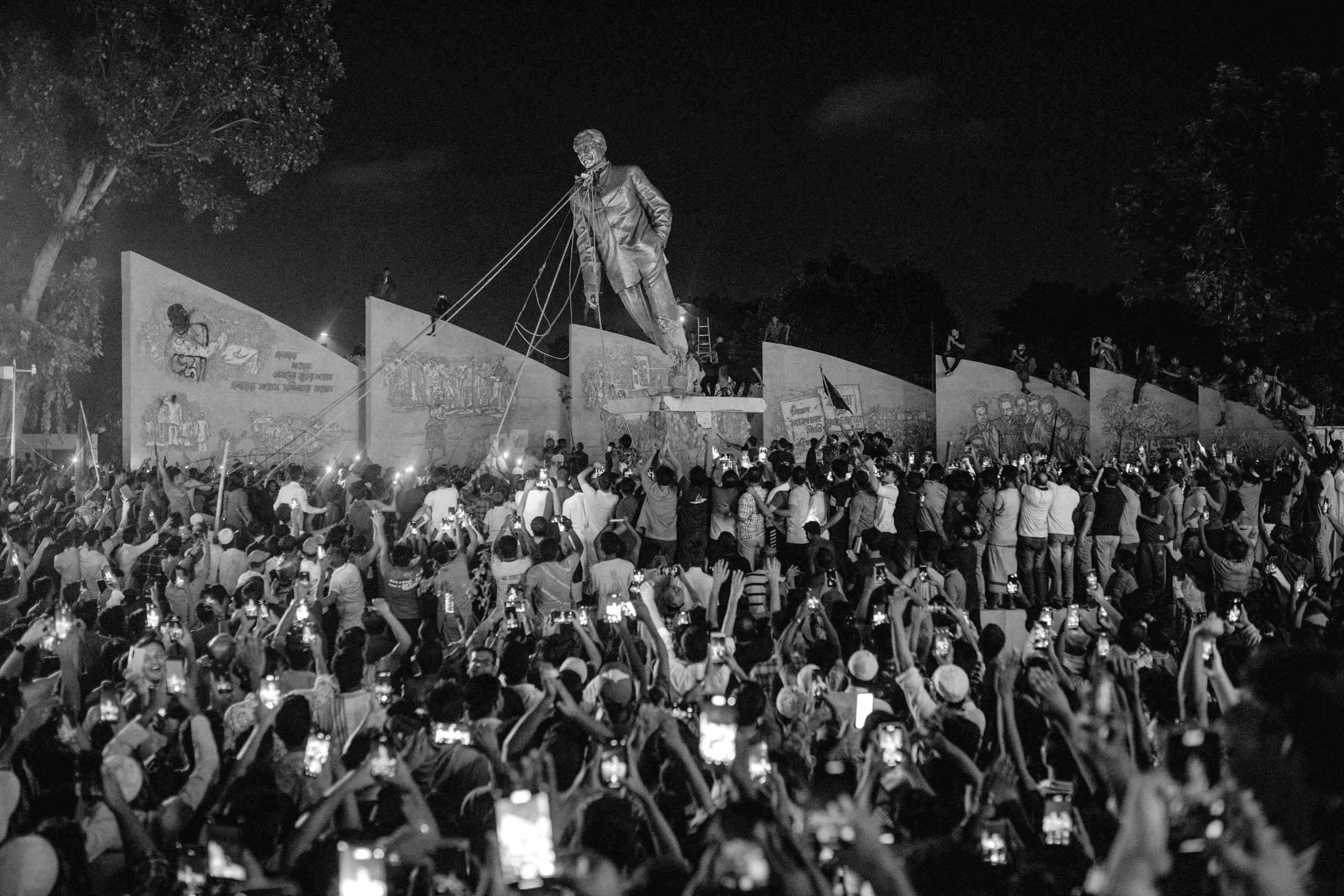
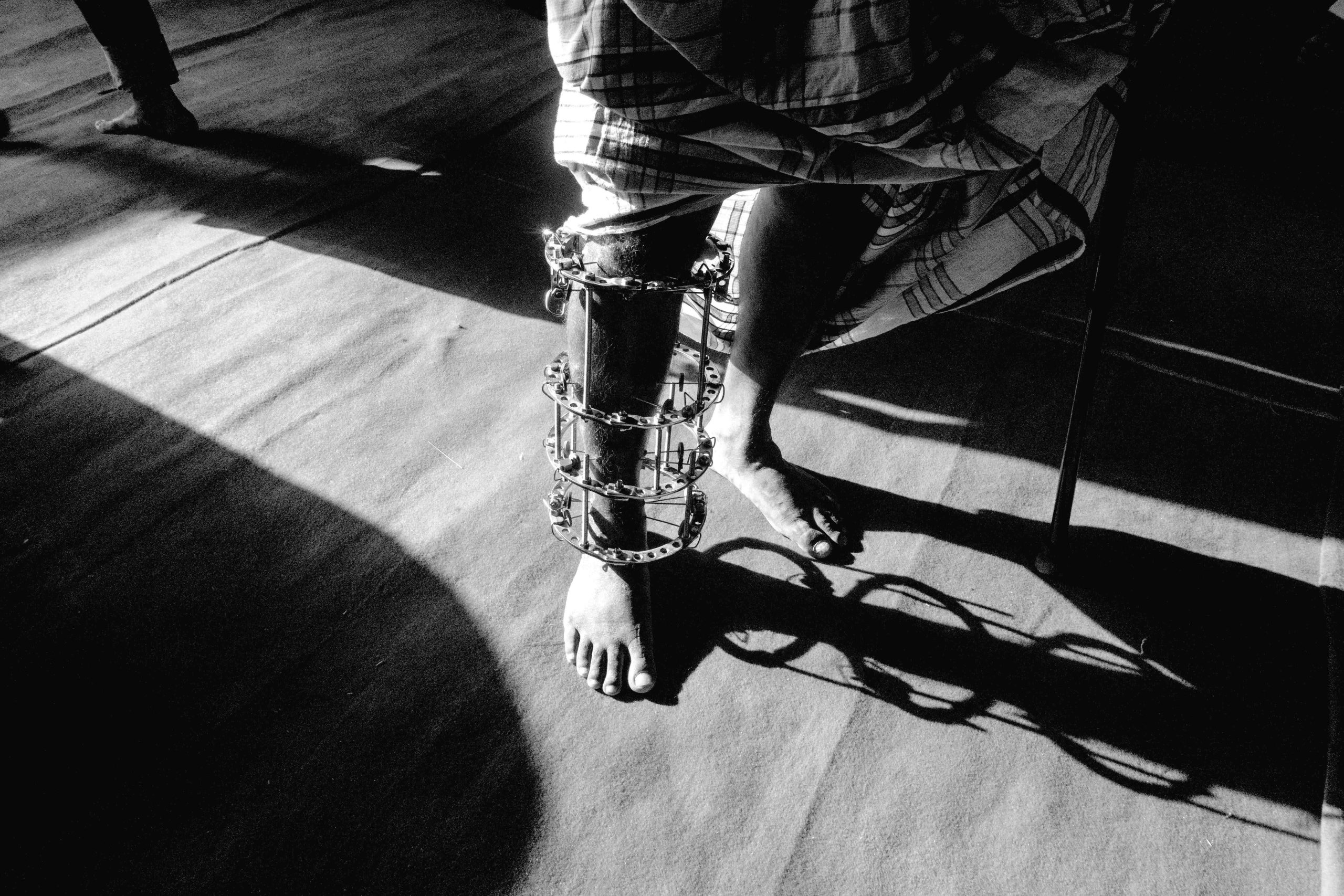
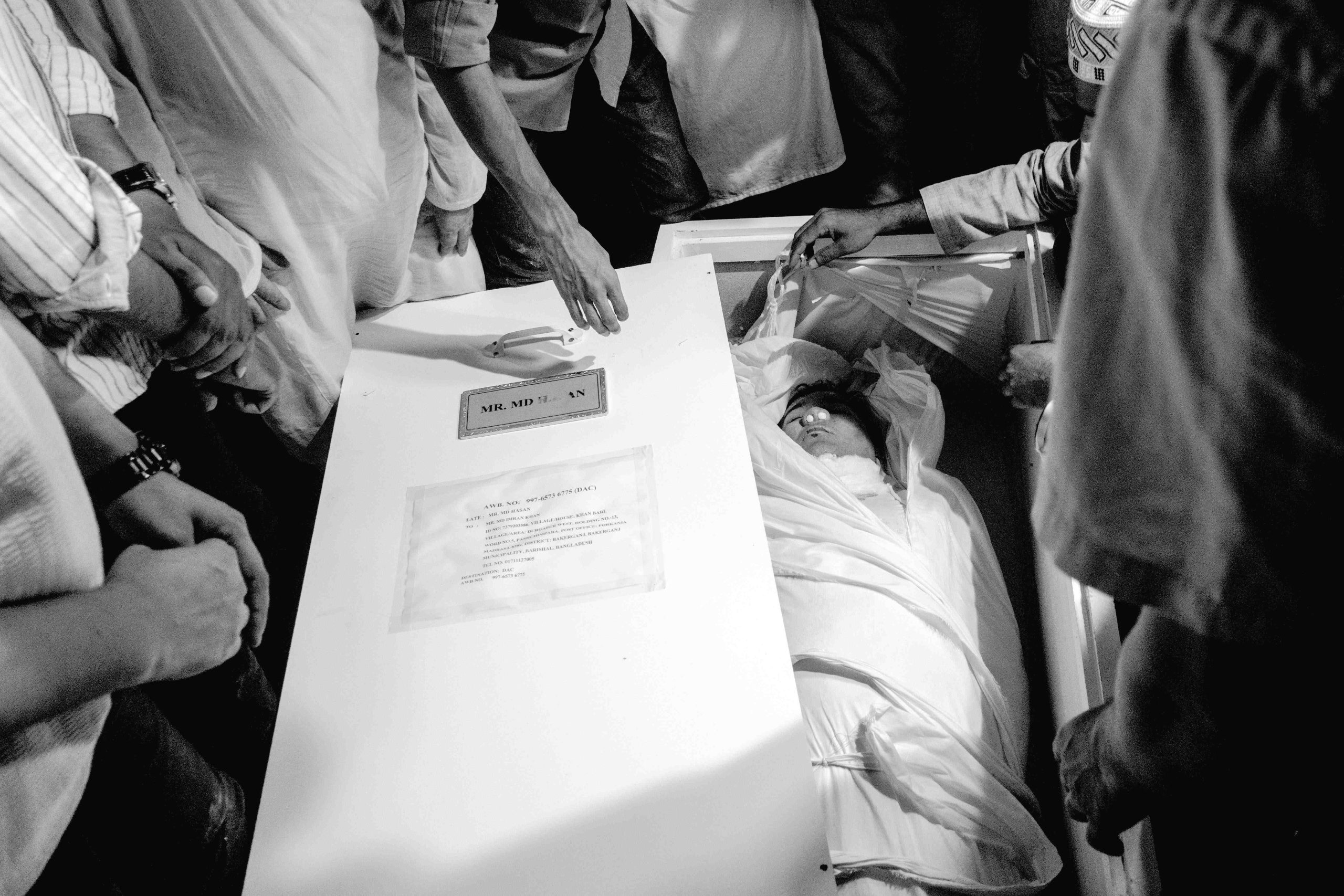
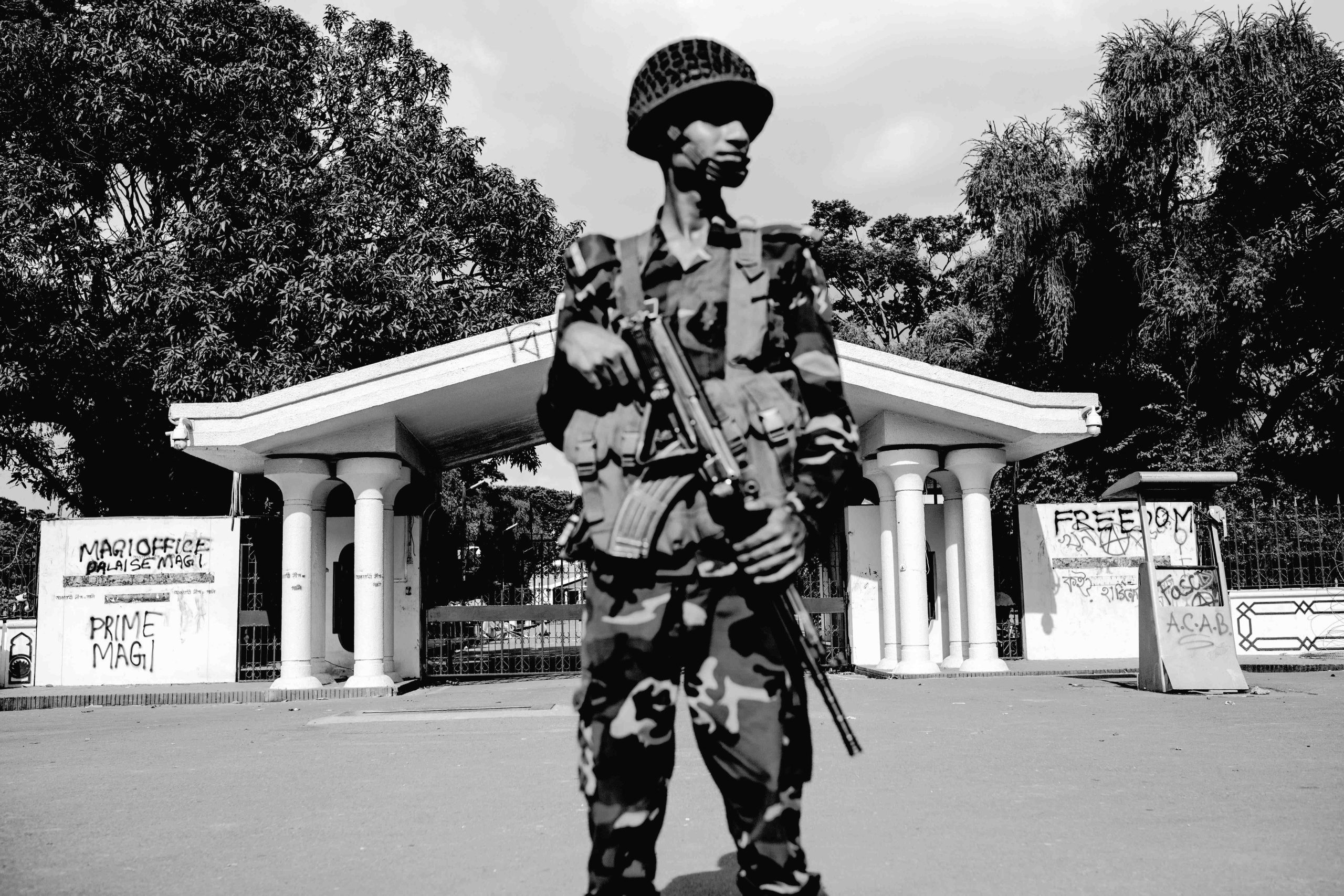
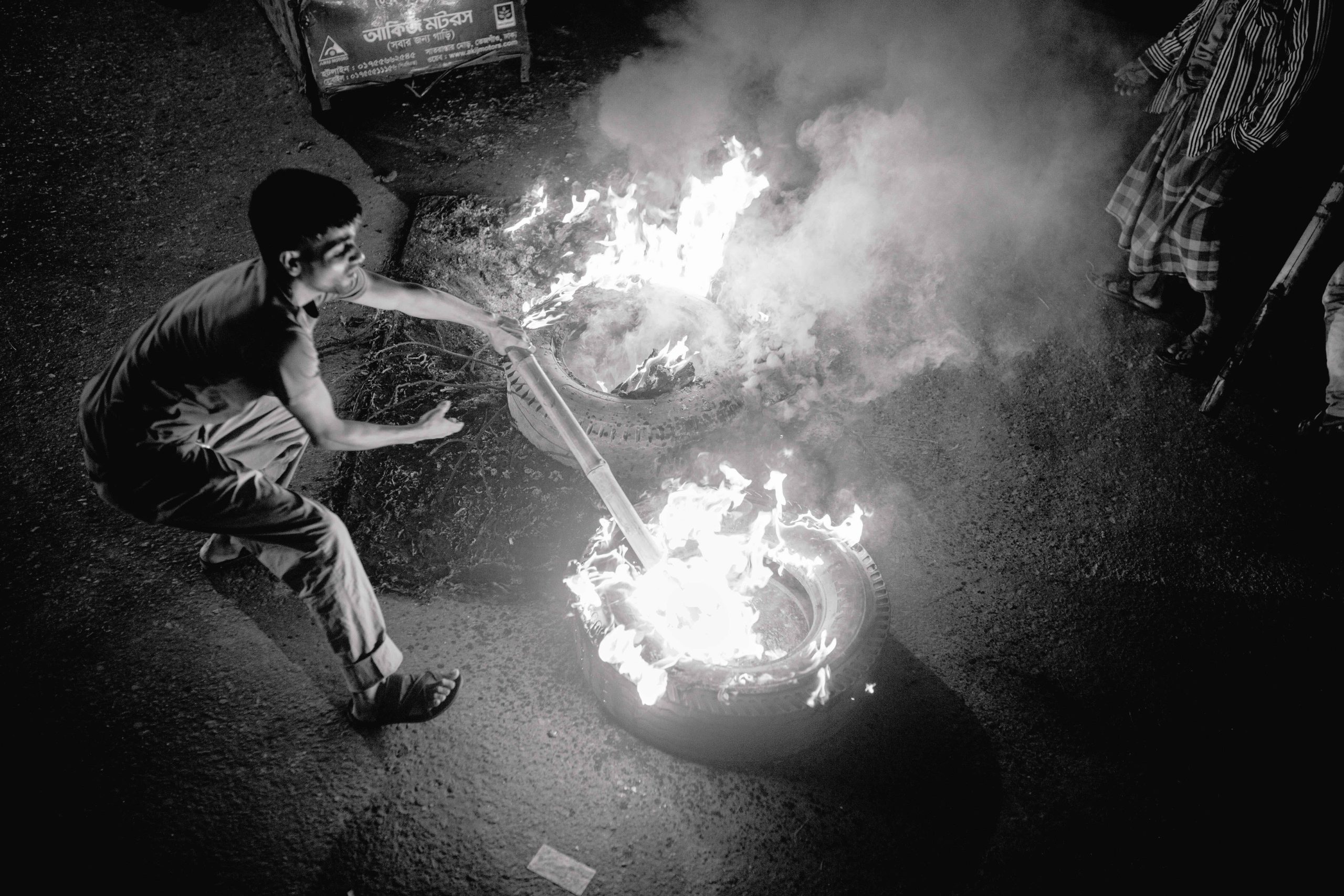
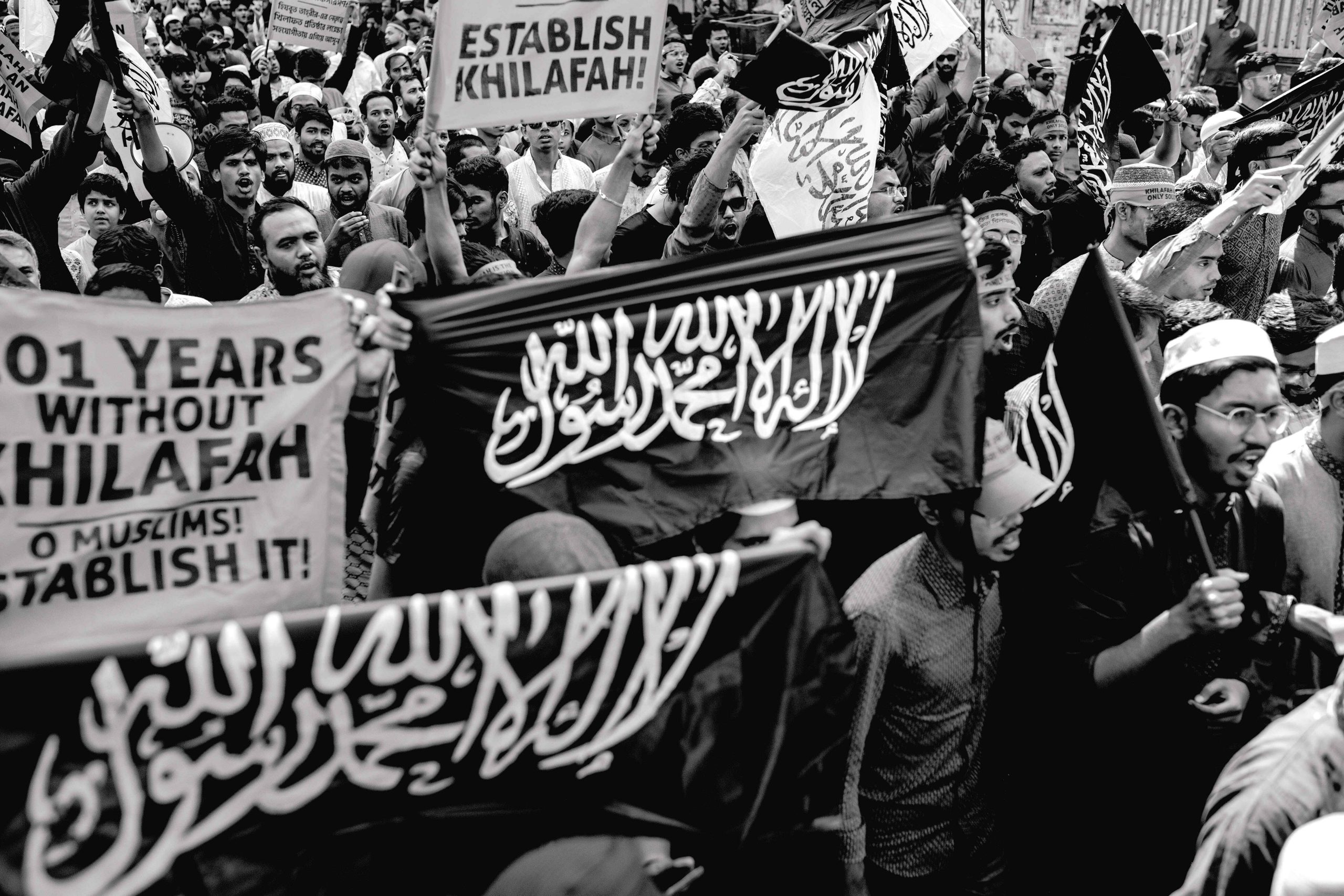
This project documents the human aftermath of Bangladesh’s July 2024 uprising. Thousands were permanently injured and families mourned children who never returned. The project follows survivors, grieving families, and youth organizers, capturing resilience, memory, and the ongoing struggle for justice in a nation where hope and repression repeat.

Copyright: © Mashruk Ahmed
The Jury's Motivation

The essay Ahmed Mashruk has produced is not the work we might expect from someone at the beginning of their photographic journey. It is a mature, layered, and emotionally intelligent documentary project that demonstrates an understanding of the photo essay form that many experienced practitioners spend careers trying to achieve. Ahmed has realized that the most important stories do not always lie in the dramatic peak of an event, but in what comes after. In the silent, slow, painful process of rebuilding a body, a family, a sense of meaning.

The July 2024 uprising in Bangladesh gave the world a moment of dramatic visual narrative — protests, clashes, the fall of authoritarian power. Ahmed didn’t leave after the attention fell, and in staying, he found the story that the headlines missed entirely. His lens followed survivors learning to navigate the world with missing limbs and damaged eyes. Mothers clutching photographs of children who never came home. Families building makeshift memorials. Young people organizing quietly, determinedly, in the spaces where institutions have failed them.

This is not the work of an outsider looking in. It is the work of someone who belongs to this story — who shares the generational wound he documents, who understands the cultural weight of every gesture and the message it conveys. This project insists on slowing down. On looking longer because Ahmed understands that the fall of authoritarian power does not automatically produce justice — that familiar systems of violence remerge, that minorities remain vulnerable, that victory without accountability is a fragile and incomplete victory. For a young photographer to hold this complexity without reducing it to a simple narrative is a remarkable achievement, and the jury is honored to recognize this work as the photojournalism world needs young voices like his.

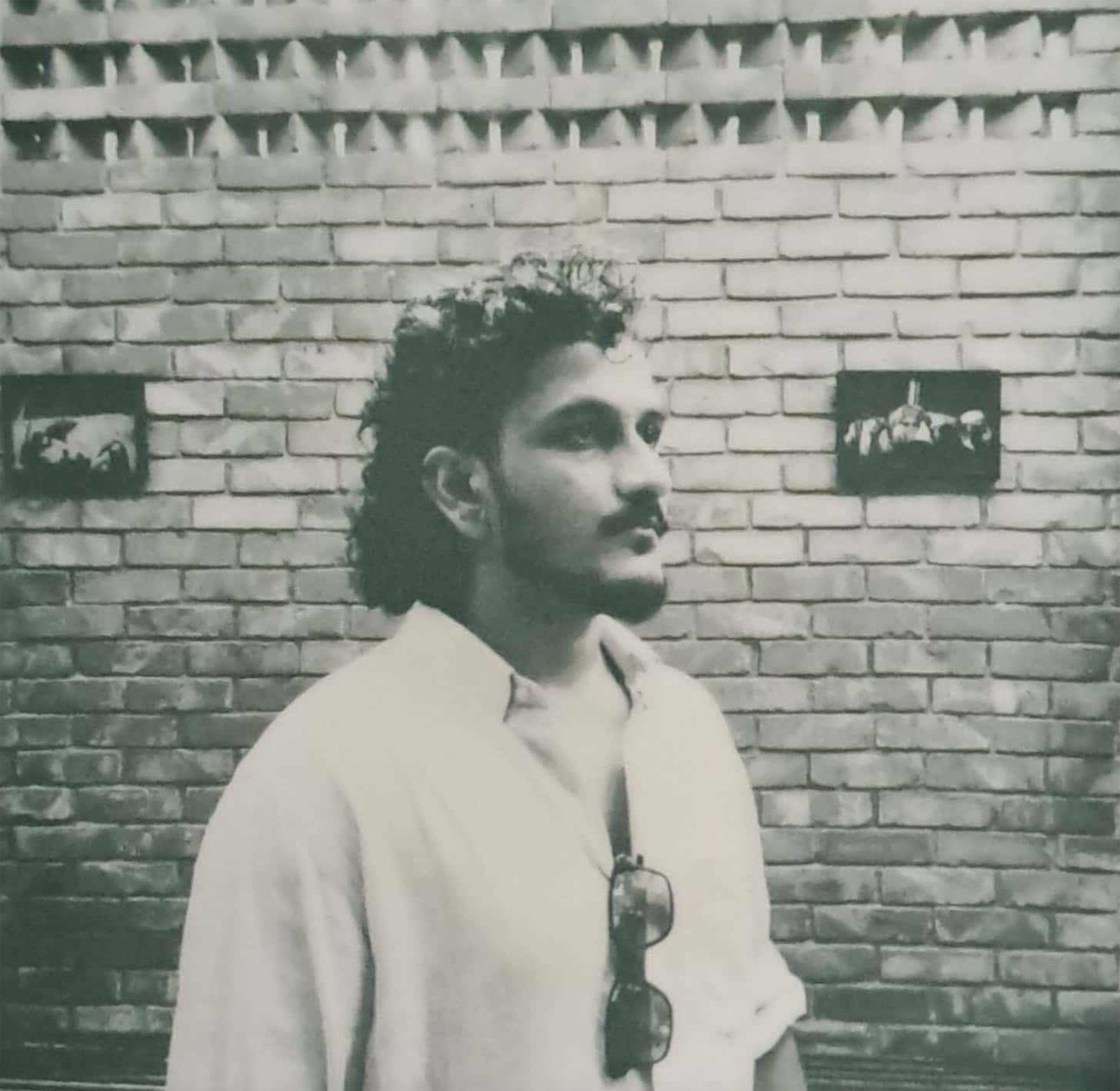
Mashruk Ahmed is a visual storyteller and documentary practitioner whose work explores the intersections of history, politics, and lived experience. His practice investigates how violence, identity, and collective trauma are constructed and transmitted across generations, focusing on the enduring social and emotional consequences of conflict.

Working across photography, video, and archival materials, he creates layered narratives that connect personal histories to broader political realities. He approaches storytelling as an ethical, research-driven process, examining the systems and structures that shape people’s lives. His work challenges dominant narratives and interrogates issues of power, representation, and sovereignty.

Ahmed serves as a Visual Storytelling Editor at Netra News, a Sweden-based investigative and public interest journalism platform, contributing to in-depth reporting on human rights. He was the Editorial Director of Witness to the Uprising, a photojournalism book documenting civic resistance and state violence.

In 2024, he presented his solo exhibition, The War Is Not Over Yet, at Alliance Française de Dhaka, examining the lasting psychological and political impacts of conflict on women freedom fighters of the 1971 Bangladesh Liberation War.

He is currently pursuing a degree in Communication and Media Science at the University of Pécs, developing a socially engaged documentary practice grounded in media ethics and visual history.